The old cities of Montenegro preserve the spirit of history, have their own special charm and each is unique in its own way. That is why tourists from all over the world strive to plunge into their cozy atmosphere and feel the unique surroundings.
Old Bar
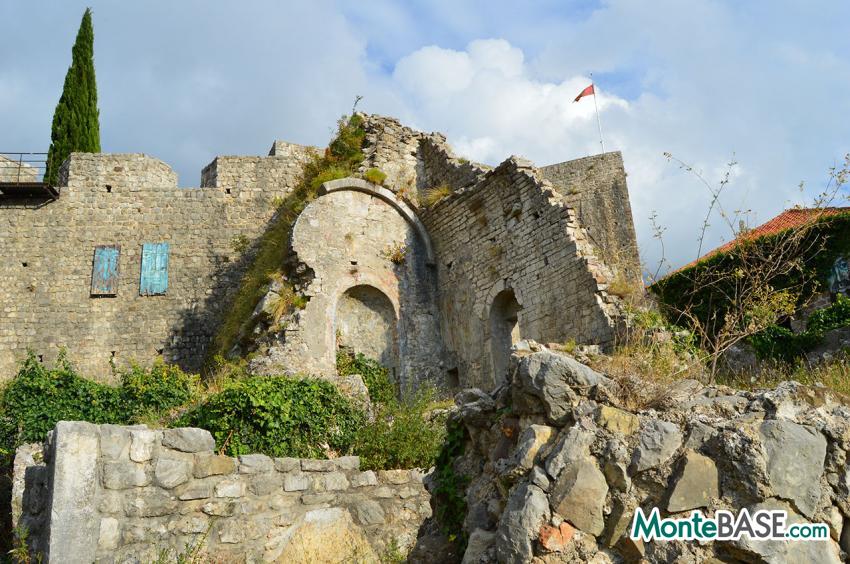
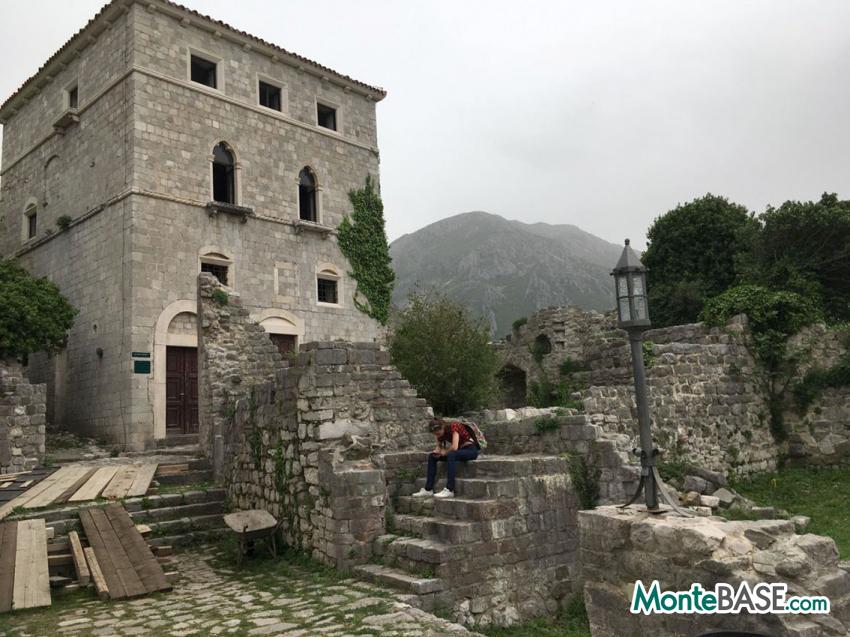
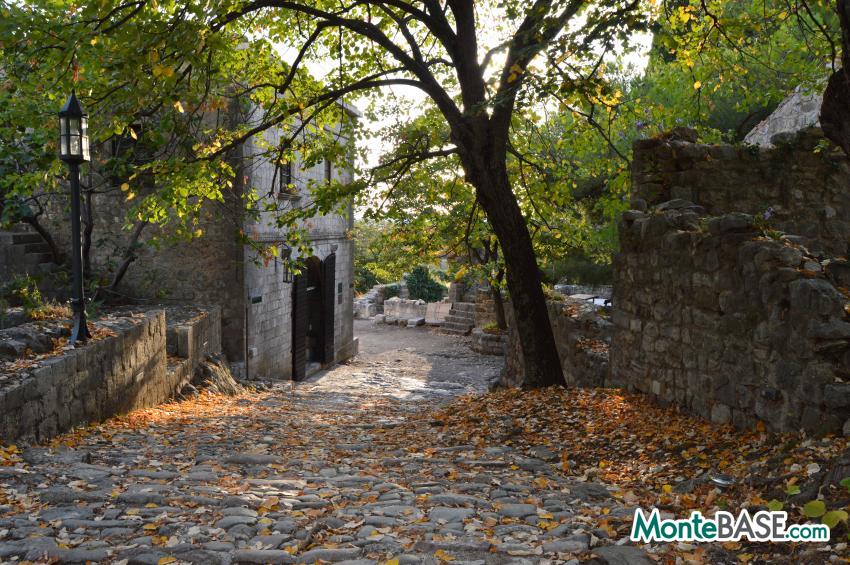
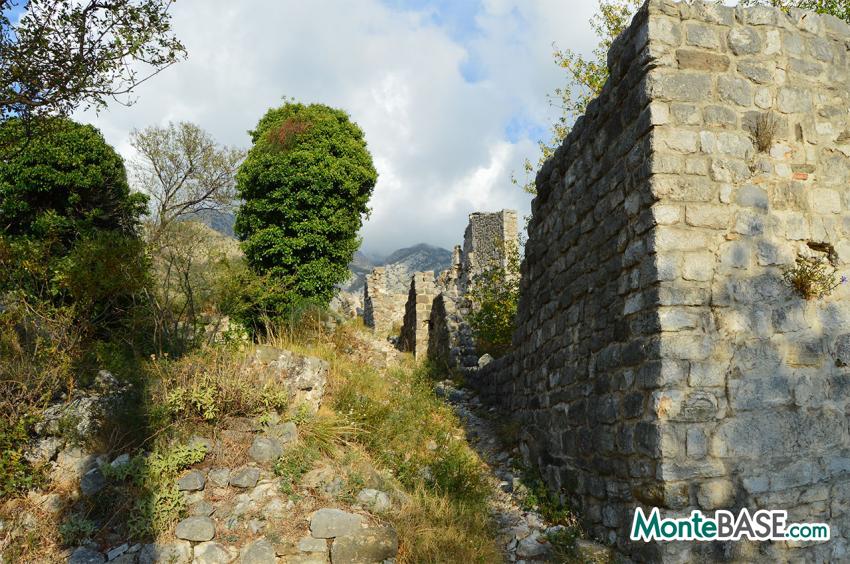
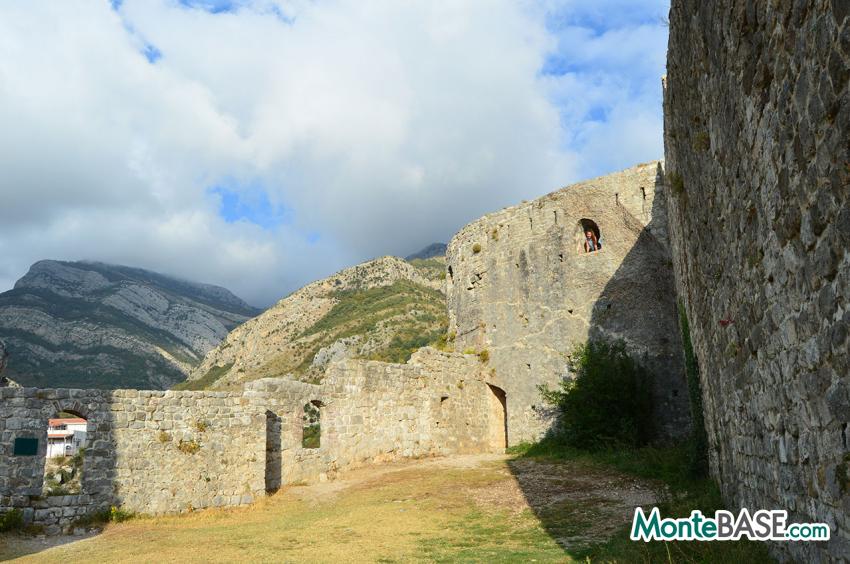
The old town of Bar was laid on a four-kilometer distance from the coast of the Adriatic Sea on one of the once impregnable plateaus at the foot of Mount Rumia. Presumably in Arabic, Rumiya means «Christian», on top of which the church was located. In the Middle Ages, during the wars of conquest, the church was destroyed, and it happened for human sins, they thought so at the time. In order to redeem their sins, the locals had to build a new church out of the stones they brought to the mountain in sufficient quantities. This hard work stretched over several centuries and embodied in a new place in 2009.
The first memories of the Old Town were found in annals of the 9th century, but fragments of ceramics was found during excavations indicate the foundation of the city two and a half thousand years ago.
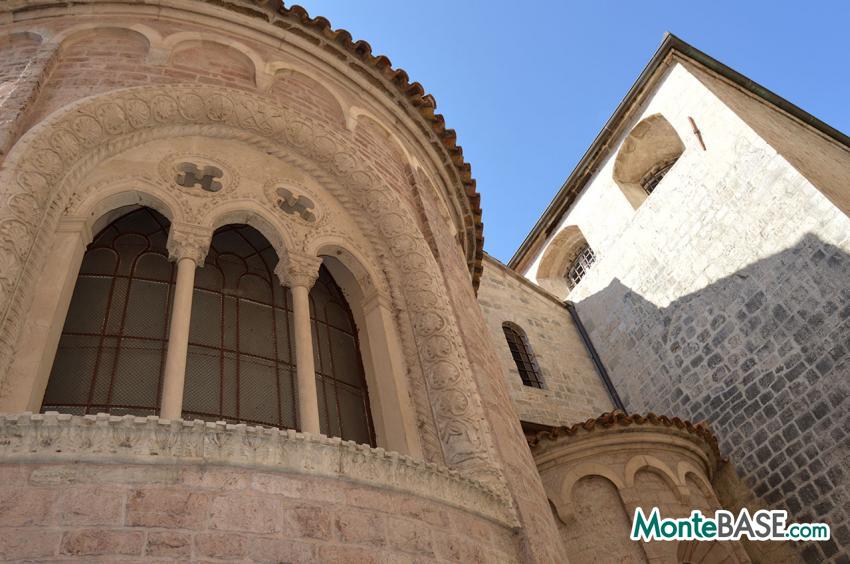
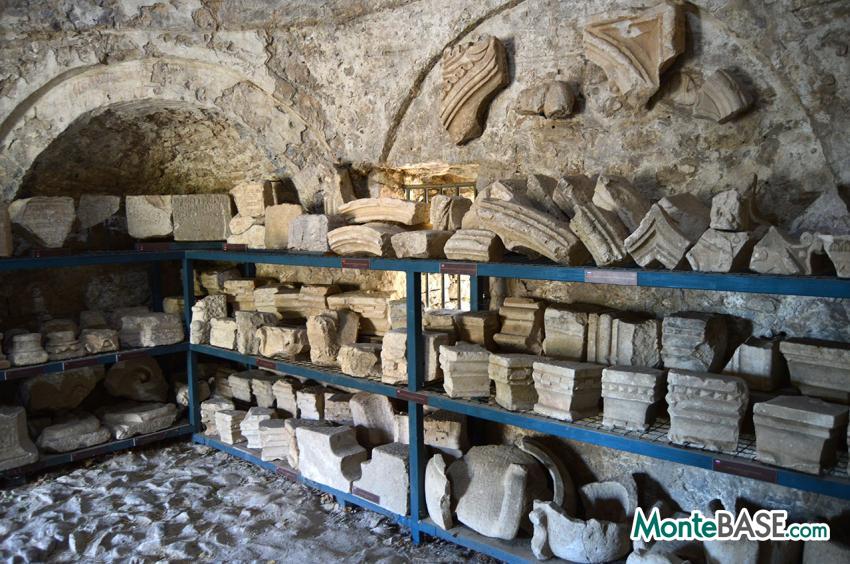
Only parts of the once grandiose structures of the Cathedral of St. George, the churches of St. Katharina and St. Veneranda, the Bishop’s Palace, the Turkish Hamam, as well as the fructifying olive about two millennia have survived to our time.There is also a current Convent here.
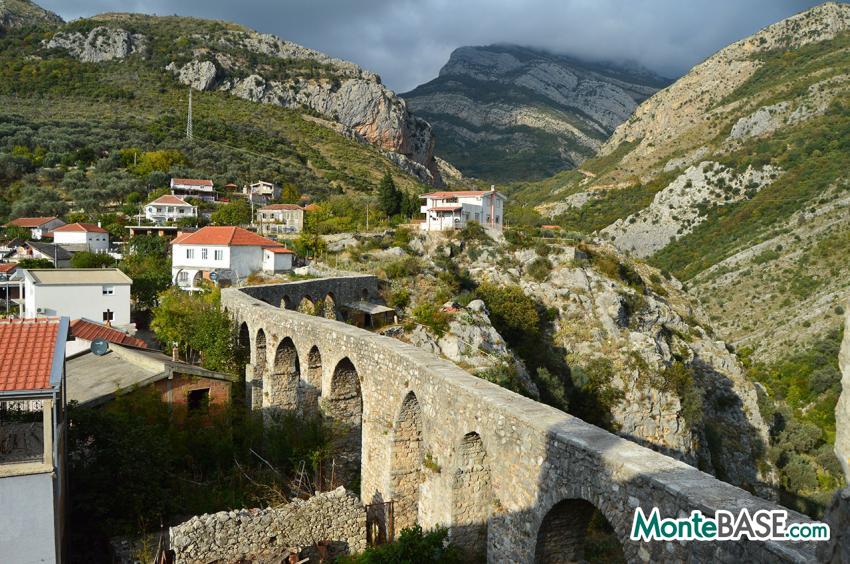
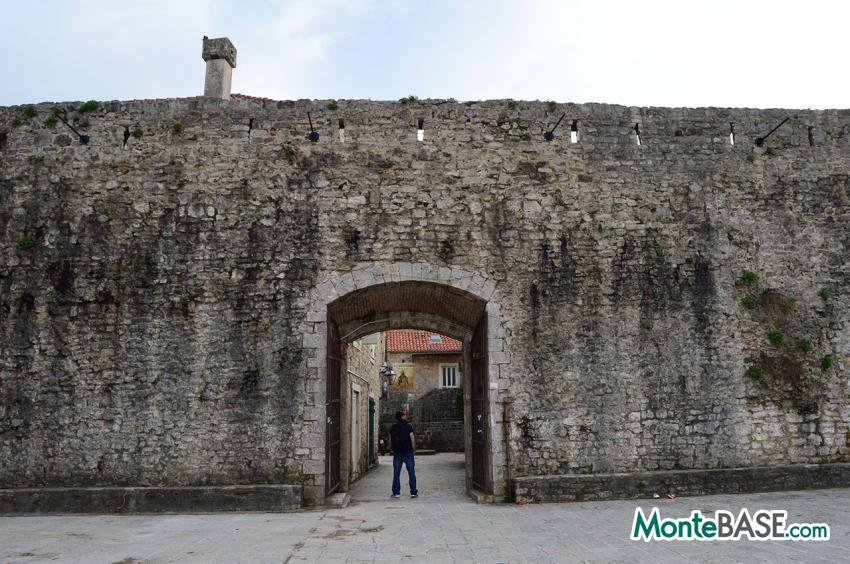
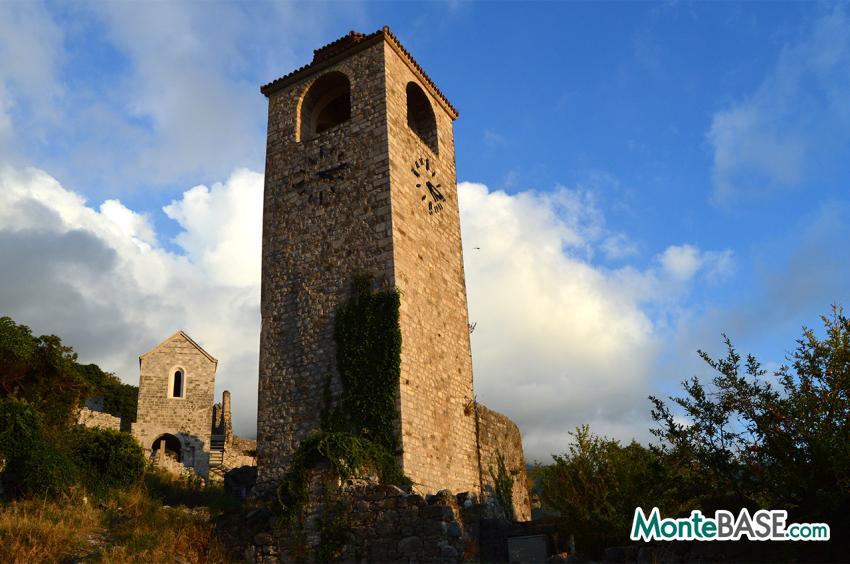
The old city is surrounded by strong fortified walls with arched gates, where you can feel the centuries-old spirit of that era. The Old Bar market, which still operates today, is striking with its old features.Old-fashioned aqueduct, clock tower of San Kula with luminous clock, Omerbashich mosque, Citadel fortress inside the main fortress, Gavadola bastion with an underground church, the building of the Venetian customs, this unique «open-air museum» with an area of four hectares attract lovers of antiquities.
You can order a tour in the section «excursion» in Old Bar.
Old Budva
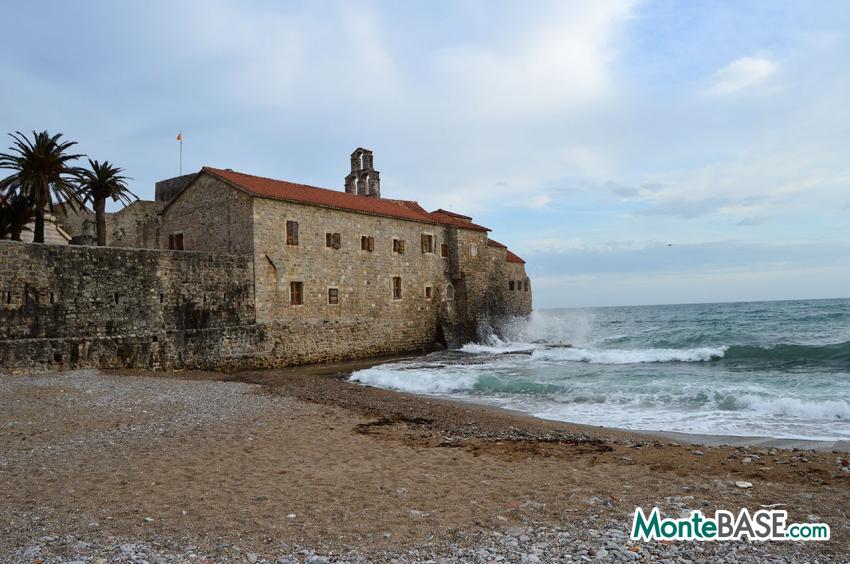
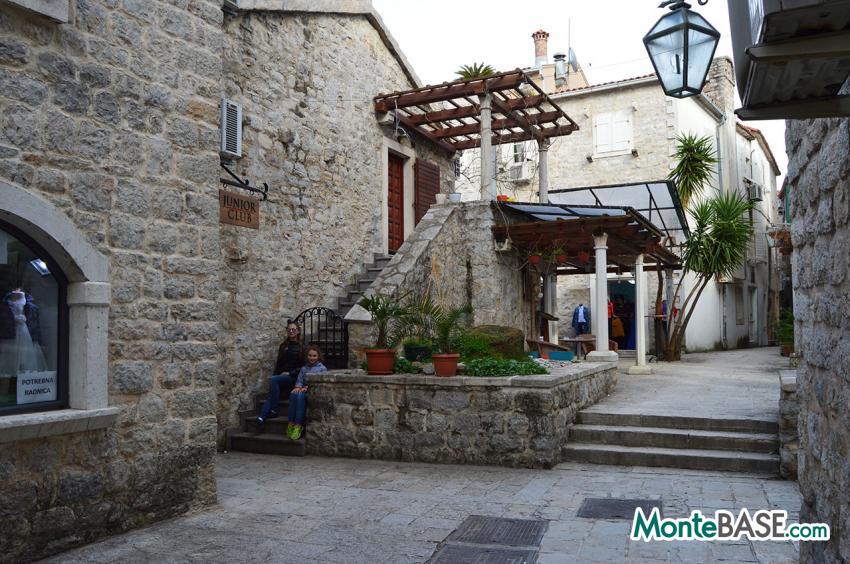
Unlike Bar, Old Budva is located in the middle of the modern city of Budva. This ancient city also has its more than twenty-five centuries of history of development and destruction. The ancient Greeks, the conquerors of the Byzantines, the Slavs, the Roman and Ottoman empires contributed to the historical appearance of narrow streets, paved with stone tiles, with old churches and preserved the possibility of living residential houses with hewn stone. One of the grandiose ancient buildings is the fortress-citadel with the church of Santa Maria in Punta, which defended the city from attacks by pirates and other invaders. Now this citadel has been turned into a wonderful complex for tourist excursions with platforms for the opportunity to see Old Budva from a height, a summer theater, an extensive maritime museum, and a viewing restaurant.
Of particular interest are also the Catholic church in honor of St. John the Baptist, which is still active, the old church of the Holy Trinity, the church of St. Sava, built in the massif of the fortress wall.
Being in Budva you can easily get from the modern city to the medieval labyrinths of Old Budva with its amazing sights.
Located on a prominent cape, historic Budva, surrounded by beautiful mountains with majestic forests, the turquoise waters of the Adriatic Sea has always attracted and attracts tourists and pilgrims from many countries.
Unlike Bar, Old Budva is located in the middle of the modern city of Budva. This ancient city also has its more than twenty-five centuries of history of development and destruction. The ancient Greeks, the conquerors of the Byzantines, the Slavs, the Roman and Ottoman empires contributed to the historical appearance of narrow streets, paved with stone tiles, with old churches and preserved the possibility of living residential houses with hewn stoneOne of the grandiose ancient buildings is the fortress-citadel with the church of Santa Maria in Punta, which defended the city from attacks by pirates and other invaders. Now this citadel has been turned into a wonderful complex for tourist excursions with platforms for the opportunity to see Old Budva from a height, a summer theater, an extensive maritime museum, and a viewing restaurant.
Of particular interest are also the Catholic church in honor of St. John the Baptist, which is still active, the old church of the Holy Trinity, the church of St. Sava, built in the massif of the fortress wall.
Being in Budva you can easily get from the modern city to the medieval labyrinths of Old Budva with its amazing sights.
Located on a prominent cape, historic Budva, surrounded by beautiful mountains with majestic forests, the turquoise waters of the Adriatic Sea has always attracted and attracts tourists and pilgrims from many countries.
Old Ulcinj
Closer to the southern border of Montenegro, not far from the river Bojana (Buna) there is a city with a thousand-years history of its development and serf dictatorship. The territory of Old Ulcinj (Kolkhinium, Olcinium, Ulcinj) is surrounded by thick walls to protect and preserve its «pirate nest».
The repeated change of power of the conquerors introduced various features into the architecture of the centuries-old part of the city and gave shelter to many nationalities. The monument of architecture in the Old Town is the Tower of Balsic, the Chamber of Venice serving as the residence of the rulers, and numerous minarets.There are also hard-cherished ancestors of the place: Slave Square, the infamous Kalaja Castle, the Cathedral of St. Virgin Mary, palaces with museums, exhibitions and galleries. And the descendants of slaves living in our time, formed the African community and retain some of their traditions and culture.
The history of the city of Ulcinj can be found in the extensive museum in the Old Town.
Ulcinj with its thousand-year history, the longest sunny weather of the year, the luxurious surrounding nature and amazing sandy beaches always attracts admirers of the history of cities and religions and lovers of the warm and tender sea.
Herceg Novi and its old town
The old town of Herceg Novi is also called the Old Quarter, which speaks of the common historical and modern parts of the city.
Founded in the XIV century with the name Sveti Stefan, then Herceg Stefan, and with the advent of many new buildings – Herceg Novi (Herceg Novi), is located on the Adriatic coast at the beginning of Boka Kotorska Bay.
In connection with the wars of conquest forced defenses were built in the city. And now you can see the tower with the intriguing name Sat-Kula, the defensive Western tower, the magnificent tower named after the hero-liberator St. Jerome, the main symbol of the city: the current Clock Tower, as well as the bastion of the Turkish era Kanli-Kula, the ruins of the Citadel, which stood the Sea Fortress, in which now hosts movie and concert programs, modern discos, the Church of the Archangel Michael. The fortress under the same name was also preserved on the nearby islet of Mamula.
Herceg Novi with its islands, fortresses, the original monument to the real chimney sweep, olive groves and beautiful beaches will not leave anyone indifferent.
Old Kotor – Museum City
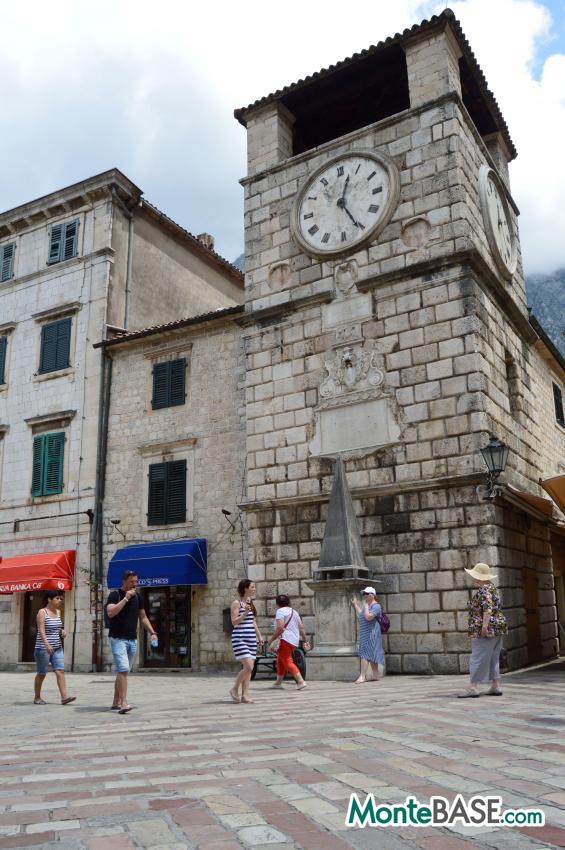
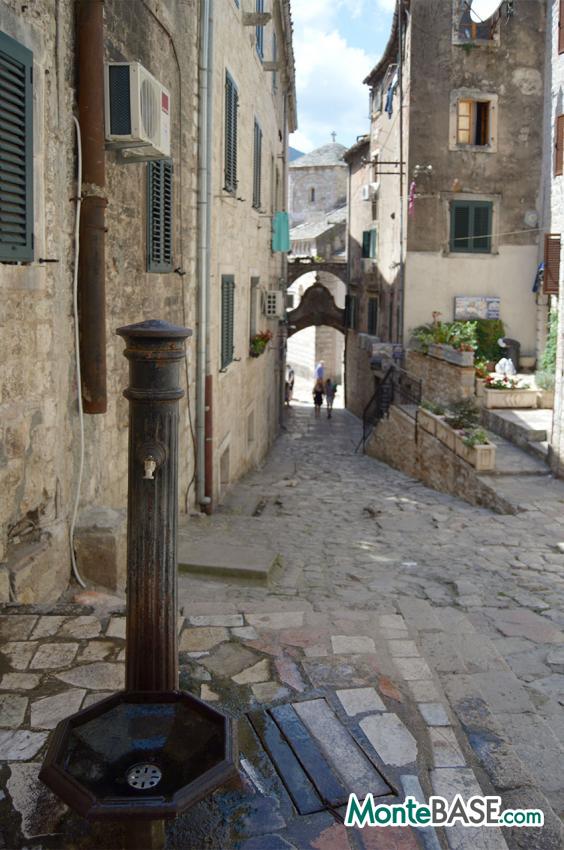
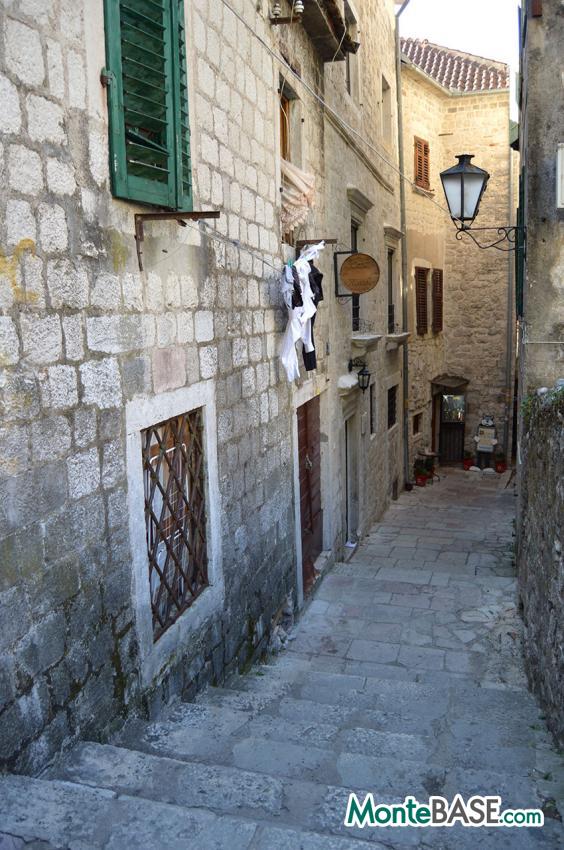
Old Kotor is a museum of the city’s history and open-air architecture. There is an opinion that the name of the city is translated from the old Greek language as «source, key», and people were settled here before our era. Like other cities in order to protect Old Kotor is surrounded by a length of up to four and a half kilometers, a high and wide stone wall, the construction of which took several centuries. As a result of the wars of conquest, not only the rulers, but also the whole lifestyle of the city and the townspeople changed, which significantly manifested itself in the development and architecture of the city of the Renaissance, the majestic empire and gothic, grandiose baroque. Starting almost from the water itself, where a drawbridge is installed, the buildings and structures of the Old Town with their narrow streets and small squares stretch to the top of the hill.
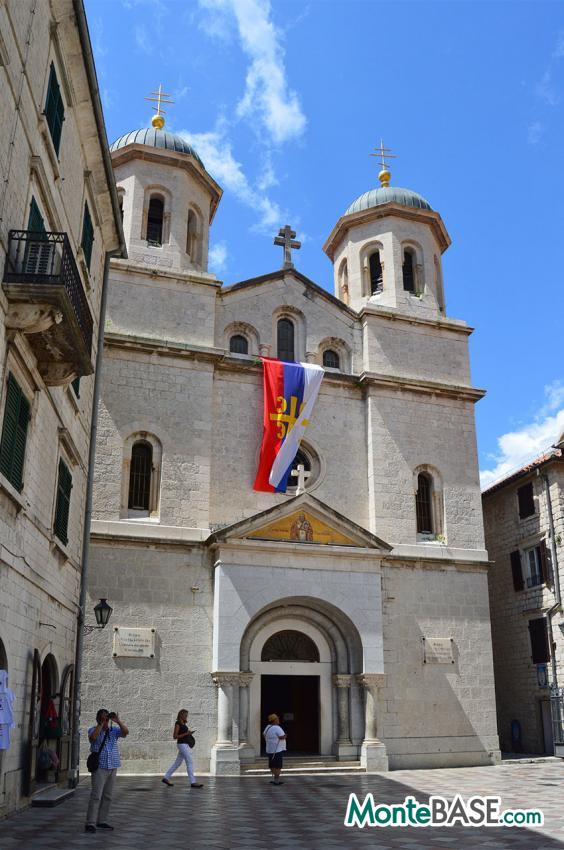
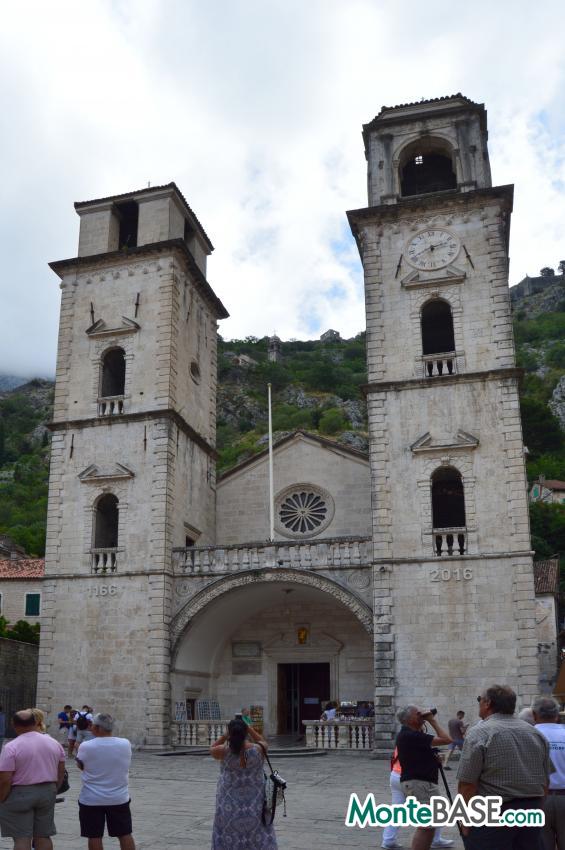
The pages of the history of Old Kotor that have reached our time are depicted in three city gates: River, Sea and Gurdich gates, as well as in the Catholic Cathedral of St. Tryphon (patron of the city), the church of St. Mary with the relics of saints, the Church of St. Luke with Catholic and Orthodox altars, churches St. Nicholas, various palaces. Old Kotor is under the auspices of UNESCO.
The centuries-old history of Old Kotor, developed new quarters, cozy beaches of the Bay of Kotor, lush nature make it possible to relax and touch the history of Montenegro, leaving in mind a bit of warm paradise.